
Drive
"You got to stay alive if you want to stick it to the government."

Greetings from the other side of my wisdom tooth extraction! 👋🦷🦷🦷🦷
I am definitely glad that I finished last week’s review before I had the surgery, because I was completely useless all of last weekend. 😂 Lots of time on the couch watching Olympics and cuddling with my Scully kitty, which made her certainly very very happy. But I was definitely in no condition to even be editing a review at that point.
A week out now, and I am doing quite a bit better, although still quite a bit more tired than usual. Turns out even though it’s an extraordinarily common surgery, tooth extractions are still surgery, and your body needs time to recover. 😴 I’m mostly just saying that here from the top as a note that I absolutely aim to do my best recapping and reviewing this (very good!) episode, but I probably won’t do as much in depth research/discussion of some of the (pseudo)science behind the plot as I would have at another time. Especially because the science in question here is physics stuff. Which is always my weakest science.
Diving into this episode. 🙂 We have our first of two very good monster-of-the-week episodes to start season six. This particular episode is written by Vince Gilligan, which almost always automatically means the episode is going to be a good one. He just has such a talent for writing full, interesting characters. In this case, he does such a particularly good job of writing the protagonist, Patrick Crump. Crump is someone who at first you definitely don’t like, he’s an asshole and especially has some particularly ugh conspiratorial views. But by the end of the episode, while recognizing Crump isn’t maybe someone you would want to be friends with, Gilligan writes him to be sympathetic enough that we do feel bad for him.
I will note that the ultimate explanation for the case being investigated is quite weak and confusing. Granted, as I’ve often said, it is probably for the best that Gilligan didn’t try to explain the (pseudo)science behind what happened in too much detail, but I nonetheless do think the wishy-washy explanation of the plot is a weakness of the episode. As are some of Scully’s actions throughout the episode. Don’t get me wrong, I love seeing scientist Scully in action once again, but whyyyyyy does she disregard safety and health precautions so many times throughout this episode? Is Mulder’s recklessness rubbing off on her a bit too much? 🥲
Overall, this episode is an extremely enjoyable watch. The action is fast-paced and full of tension. Our main characters are separated and yet Gilligan is able to keep them connected and working together (thank god for cell phones). But I do probably have just a slightly lower rating of the episode than some fans and reviewers because of the confusing explanation regarding the episode’s mystery case. It’s still a good episode! Just leaves a few too many questions to present a fully cohesive explanation.
Let’s jump into it. 🙂
The Case: A Police Chase & A Hostage Situation?
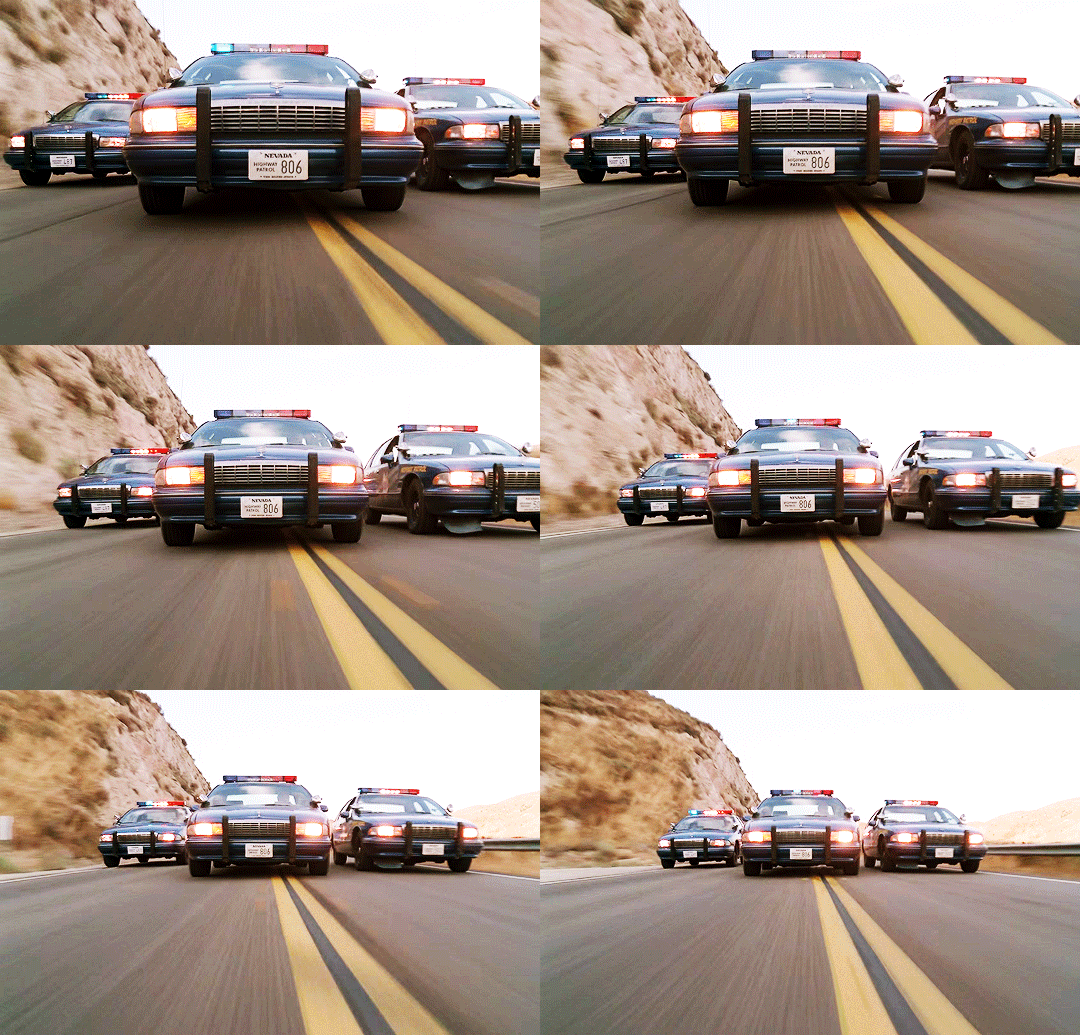
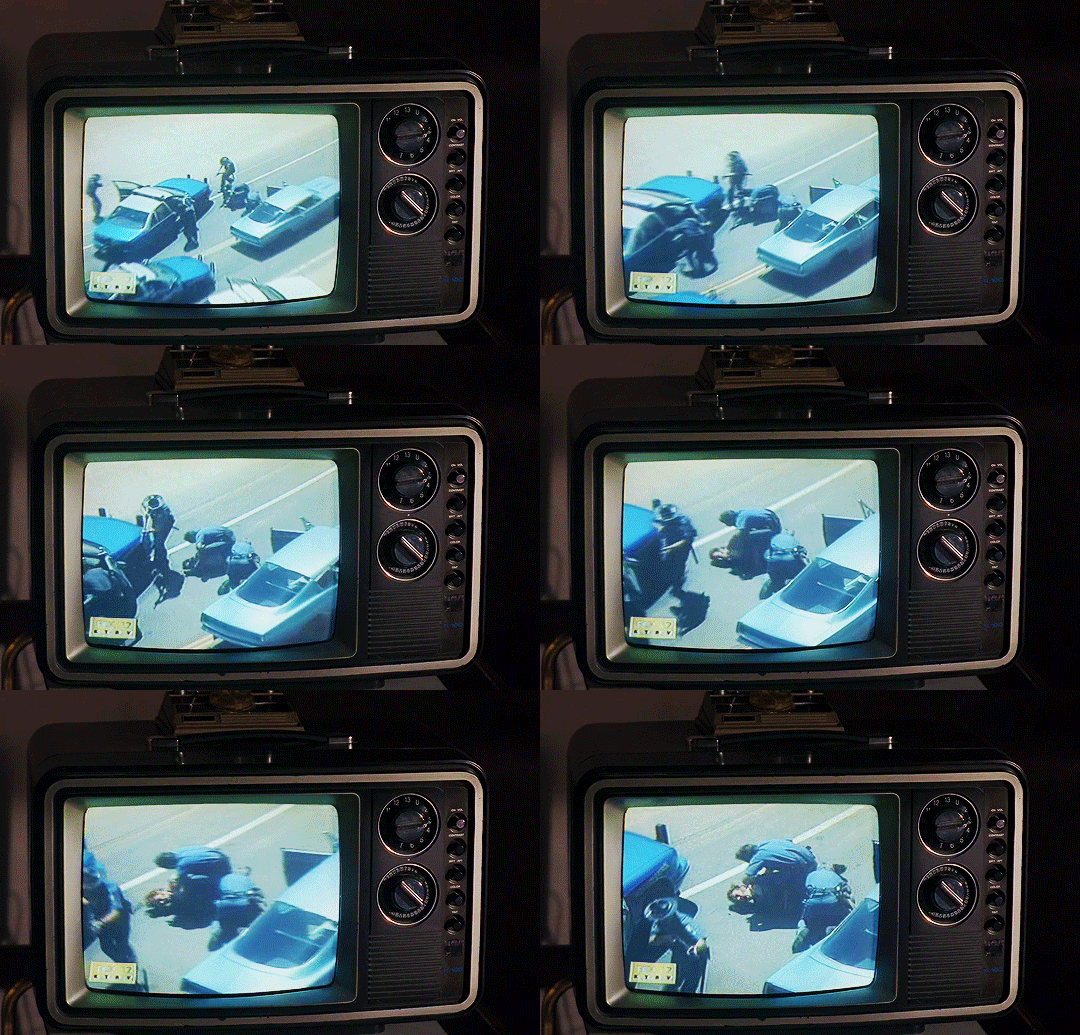
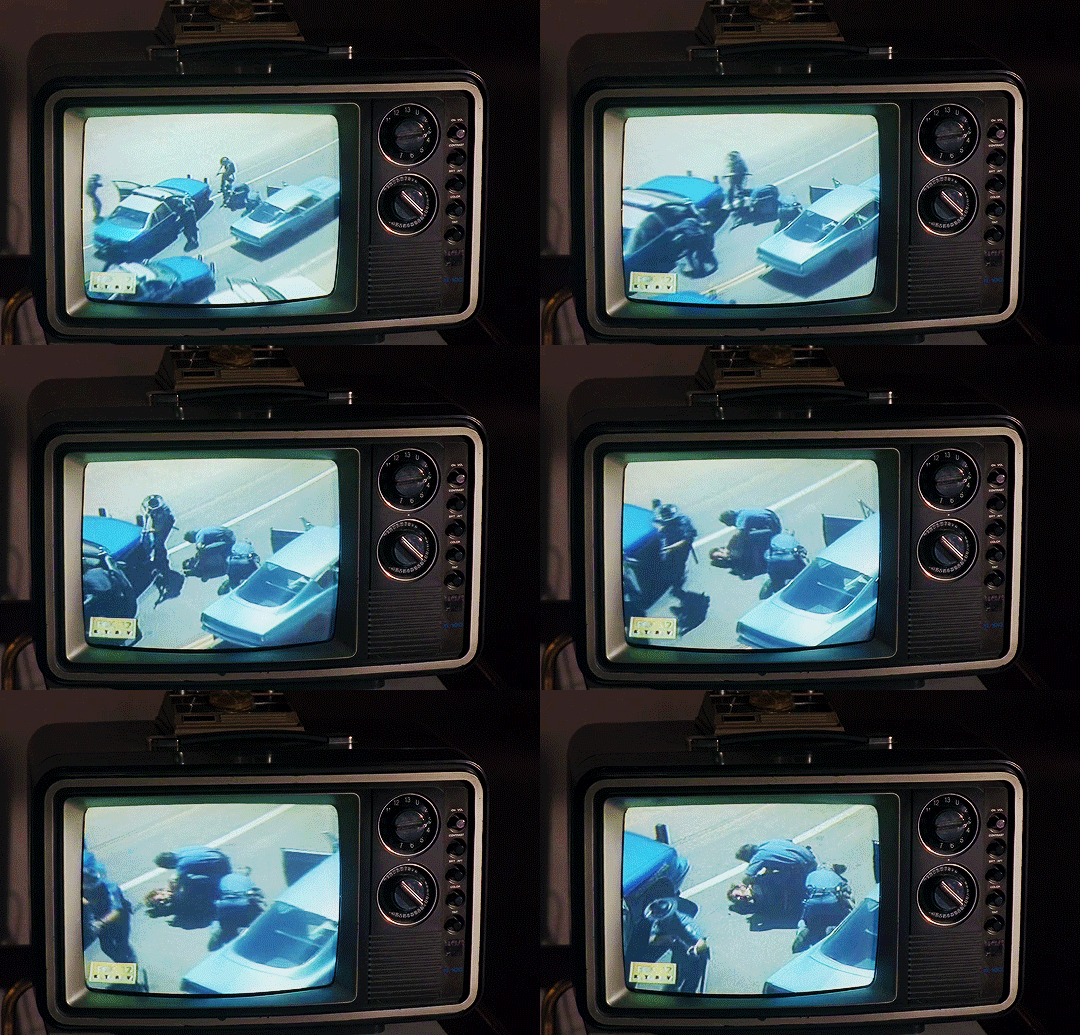
The episode opens on a news report of a tense police chase through northern Nevada (just outside Elko). We get some background on this chase, which has been occurring for over an hour now. The car in question was stolen just outside of Wells, and officers initially attempted to pull over the car shortly after that. They were unsuccessful and have continued to have zero luck in apprehending the driver, chasing him at speeds approaching 100 miles an hour. I do have some questions regarding why the highway patrol hasn’t yet taken more extreme measures to try to stop the driver (like shooting out the tires or, as they will do shortly, using a tire-puncturing chain). My best guess is that while stealing a car is of course absolutely a crime, it’s not exactly the highest priority, or worth putting other lives possibly in danger on the highway.
What pushes the officers to act more proactively is the realization that this might not just be a case of a stolen car. The news chopper, flying high above the scene, has been able to spot a second person in the car. This is passed onto the highway patrol, who realize they might have a hostage situation in their hands. They need to take steps to actually apprehend this driver and hopefully rescue the other person in the car.
So they run a long tire-puncturing chain across the highway, which does the trick, puncturing all of the car’s tires. The chain is quickly removed so the police cars aren’t also wrecked, and the driver (Patrick Crump) is apprehended first, tackled onto the ground to be taken into custody. Another set of officers reaches into the backseat to rescue the other person in the car, who they presume at this point was taken hostage and being driven against her will by Crump.
At first glance, this doesn’t seem like the most unlikely assumption. We could see that the person in the backseat, a woman (Vicky), looked to be in a lot of pain. She wasn’t handcuffed or being otherwise visibly held against her will in the car, but it’s certainly not outside the realm of possibility that Crump did something to this woman. She also initially reacts with relief upon seeing the police officers, asking them for help getting something “out of her head”.
Multiple officers struggle to restrain Crump on the highway, as he calls out in desperation for the woman, for someone to help her. This is the first indication that this might not be a hostage situation. Something clearly isn’t right with Vicky, but could it be that she was experiencing some sort of medical emergency, and Crump has actually been trying to help her? If this was a medical emergency, you might wonder why Crump has been speeding down a highway evading any help, not trying to reach a hospital or anything. Some of those explanations will become clear, because Crump does know more about what might be wrong with Vicky and how to help her.
It very quickly becomes clear to the police that this is not any “normal” hostage situation. Something was definitely wrong with Vicky. The news chopper camera zooms out to try to get a shot of the woman’s condition. She has been left alone in the back of one of the police cars (no one is going to administer medical help????) and begins banging her head against the window. She does this a couple of times, and then suddenly it appears as if something essentially explodes, leaving a great spatter of blood against the window. Vicky is motionless. No one else was in the car with Vicky, and as far the officers on the scene are aware, no one else was in the vicinity. It seems highly unlikely that Vicky was shot in the head, especially given the lack of any bullet holes anywhere in the car. And given what will be revealed in Vicky’s autopsy that Scully will perform in a bit here.
Vicky’s head appeared to just. Explode. In the back of the car. 🤯
Did Crump do something to this woman? Is there something dangerous in the area that the authorities need to get a handle on before more people die?
Whatever happened, the local police are at a loss. They’re going to need help unraveling this mystery. Help that will come shortly from our favourite agents. 🙂
Mulder and Scully’s New Assignment
Help will come, but not immediately. Our agents no longer have free rein to investigate whatever case piques their interest. Mulder and Scully are currently assigned to investigate domestic terrorism cases, and their new boss—Deputy Director Alvin Kersh—is keeping a close eye on them.
We meet up with our agents in Idaho, just over the border with Nevada. They have been tasked with investigating a farmer who recently purchased large amounts of ammonium nitrate fertilizer, since this fertilizer can be used to create bombs. The farmer assures them he’s just using it to grow his sugar beets, and wanders inside his house to find the appropriate files and licenses to show the agents. Everything ultimately presumably does turn out to be in order; we later see Scully returning from some of the farmer’s fields where she likely saw proof of the fertilizer’s use.
Throughout this interaction, both of our agents are extremely bored. Mulder is more obvious about it, not even putting any effort into investigating the farmer. He makes no attempt to assist in finding the paperwork and doesn’t follow Scully and the farmer into the fields to see proof of beet growing. His attention has instead been caught by a news report playing on the farmer’s TV. The news report of that car chase and unexplained death a couple hours south of them in Nevada.
Rather than doing his job, helping Scully with this (admittedly tedious and boring) investigation, Mulder steps away to make a phone call to the police captain in Elko. He very kindly offers to drive down and help, presumably having explained his experience with unusual cases such as this one. The police captain eagerly accepts an offer of assistance from the FBI.
Except, there’s a problem. Skinner probably would’ve rolled his eyes and just sighed upon learning that his agents had gone off on a side quest. But Skinner isn’t their boss anymore! Mulder and Scully have been reassigned, and they absolutely must toe the line, follow direct orders, if they ever hope to be allowed to return to X-files case investigations. Deputy Director Kersh will not be so forgiving of his agents wandering off to investigate something without asking for permission.
Scully tries to explain all of this to Mulder, although she doesn’t do so with much conviction. Our girl is better at following orders than Mulder is, but she’s also bored out of her mind on this assignment. She’s grown to really love investigating and solving mysteries. And this particular case looks like it might possibly have a medical angle to it, what with the suddenly exploding head with zero explanation. They can just…drive two hours south to Nevada, right? Examine the body, question the witness/suspect, and then return to Idaho the next day with Kersh having no idea.
Right? 😉
Scully Examines Vicky Crump
Upon arriving in Elko, Scully is very excited at the idea of doing an autopsy. Finally, real work that puts her skills to good use! A trained medical doctor should never have to go around examining records of farming licenses and searching for illicit chemical fertilizer. Her eagerness to examine Vicky, who it turns out was actually Crump’s wife, only increases when she learns that Crump himself recently fell ill as well, screaming in his cell that he’s dying the same way his wife did. He could just be saying that as a way to get out of being charged with anything, but if there’s even the possibility that Crump could be ill, then Vicky needs to be examined. Scully needs to determine if there might be some medical cause to explain what happened to Vicky.
While paramedics offer aid to Crump and Mulder waits to hope to speak with the man, Scully enters one of her favorite places. The autopsy bay in the Elko police department. The local coroner is just as eager as the captain was to have some help, because she has no way to explain what happened to Vicky. Scully’s initial hypothesis that the woman must have been shot is quickly dispelled. There’s no gunshot residue or stippling anywhere around the woman’s wound. There’s no entry wound on the other side. It really does just look like the right side of Vicky’s head exploded. “Like a little bomb went off in her ear”, in the words of the coroner.
Scully can see that something did exert a lot of force upon Vicky’s skull, with portions of her temporal bone now sticking out of the auditory canal. She can see almost straight through to the woman’s inner ear, where she can see a swelling. Here, I love that Scully just starts poking at this swollen mass without any apparent concern as to what might have caused it. 🙃🙃🙃 Could be a tumor, could be an injury, or could be something infectious, Scully!!!!! But yeah, sure, let’s just poke at this swollen tissue and hope nothing bad happens.
Like the swollen tissue bursting open and peppering Scully’s medical gown with blood. 🙃 It’s really lucky that Scully reacted fast enough that she stood up when the swollen tissue first looked like it might burst, because that blood very easily could’ve hit her face. And Scully wasn’t wearing a mask. 🙃🙃🙃🙃
It’s only after Scully is peppered with blood that she realizes, ah, shit. This could’ve been caused by something infectious that I’ve now been exposed to. I’m not sure if Scully was really assuming the woman must’ve been shot and that’s why she didn’t go into the autopsy fully prepared with all the proper PPE. But I just really feel like when you really have no idea what might’ve killed someone, you should wear every protective covering you can!
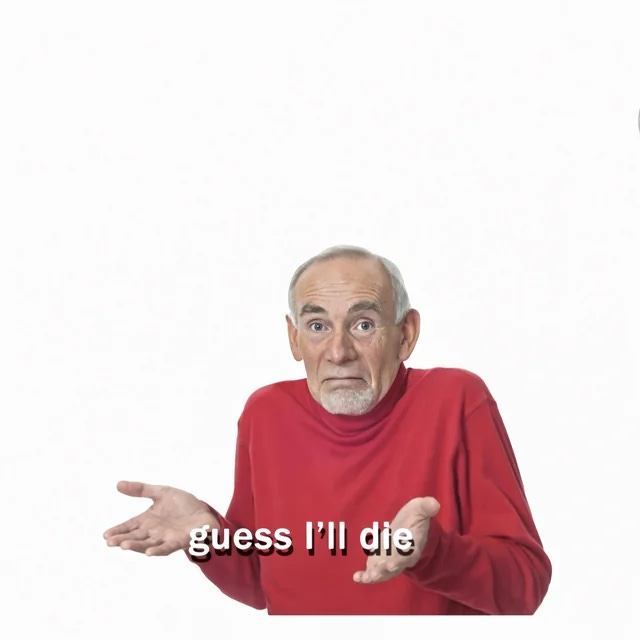
Perhaps even more mystifying is the fact that after Scully and the coroner realize Vicky might be contagious and quarantine the lab, they still don’t make any effort to put on further protective gear. My best explanation for this is maybe for some reason there isn’t any further PPE inside the autopsy bay (though that seems less than ideal), so they would’ve had to leave and possibly expose others to obtain the gear. That argument falls through when later a CDC pathologist arrives in full protective hazmat suit. He could’ve brought further PPE to Scully and the local coroner. Maybe Scully and the coroner have just decided to emulate this meme since they know they’ve already been exposed once.
Looking back several seasons, this actually isn’t all that out of character for Scully. She didn’t bother to put on any protective gear when she was trapped and providing treatment to that guy in “F. Emasculata” either.
Scully is extremely concerned now about Crump, who we know fell ill with something in his cell. His cell needs to be cleaned and quarantined, and whatever doctors are caring for him at the hospital need to take all necessary precautions when examining and treating him. She further urges Mulder to not have any contact with Crump, however much he might want to speak with him. The man might be contagious, and Scully needs Mulder to stay safe and unexposed.
Unfortunately, it’s just a little too late for that.
Mulder Taken Hostage
Crump clearly had fallen ill in his cell. While initially it may have seemed like he was unstable and just screaming about “them” doing something to his wife, Crump’s symptoms aren’t things he could fake. His initial symptoms began as just a nosebleed, but by the time Mulder meets up with Crump and the medical team at the jail, Crump is completely unconscious, tachycardic and hypertensive. He’s not responding to any initial drug treatments given by the EMTs. It’s time to take Crump to the local hospital and hope something can be done to save the man.
Mulder follows the ambulance in his car as the team drives along the highway. Here, we get our first indication that Crump’s actions in the opening scene might have been helping rather than harming Vicky. As the ambulance picks up speed, approaching 70 and then 80 mph, Crump relaxes, and the EMTs note that his symptoms begin to improve. Without any further treatment having been provided. The EMTs are baffled, but Crump, with his prior experience before his wife’s death, comes to a realization. He can’t stay in that ambulance. Not if it’s going to stop at a hospital.
Crump grabs the police officer’s gun and escapes the ambulance, taking Mulder hostage in his car instead. So it’s too late for Mulder. If Crump is contagious, Mulder has already been exposed to whatever caused Vicky’s death. And he’s now stuck in a car with an unstable, ill, possibly dying man.
The police and highway patrol are aware of what’s going on. They have a team of cars trailing Mulder’s car, and plans for another roadblock in a very rural area where there won’t be risk of exposure to the general population. They’ve even been in contact with Mulder and Crump (well, Crump, on Mulder’s cell phone), but the man doesn’t have any real demands or information to provide to the police. Crump doesn’t know where he’s going. He just seems to know that he needs to keep moving. And also that it’s useful to have a hostage. Crump has some leverage here; he threatens that if they don’t pull the officers back, he’ll shoot Mulder.
While Crump is making these demands, he doesn’t know yet who Mulder is. It’s safe for him to assume that Mulder is someone working with or alongside the local PD, given that he was following the ambulance very closely on an otherwise completely empty highway. But I do find it funny that Mulder could’ve just been some random civilian he took hostage. I mean, yes, having any hostage is useful leverage; the police will make every effort to concede to the demands of someone who has civilian life in their hands too. But Crump really had no idea how valuable his hostage was. Not until after he finally convinced the cop escort to pull back and stop trailing them.
Then Crump finds Mulder’s FBI badge and becomes even more upset. Realizing Mulder is one of “those people”. The government. The very people Crump thinks did this to his wife, did this to him as well.
It’s also at this point that Crump tosses Mulder’s cell phone out the window when it rings. Probably equal amounts of agitation/annoying at the constant ringing it’s been doing and anger toward the authorities/government. He doesn’t want any help, not from people he can’t trust. Not from people who won’t believe the story he has to tell.
Piecing Together Crump’s Story
I will note from the start here that Crump doesn’t have any real idea of what is happening to him or what killed his wife. It is going to turn out that he’s kind of right about there being a government conspiracy aspect to this (we’ll get into that), but he doesn’t know that for certain. It’s initially just a suspicion, with Crump having a lot of “fun” ranting about Jewish world order (😬😬😬) and strange government people wandering around his woods at night. He’s an incredibly paranoid guy, somehow managing to sound even more bonkers than Mulder, but that doesn’t mean Crump isn’t smart. He pieced together how he could help his wife, and thus how he himself might survive whatever is happening to him, remarkably quickly.
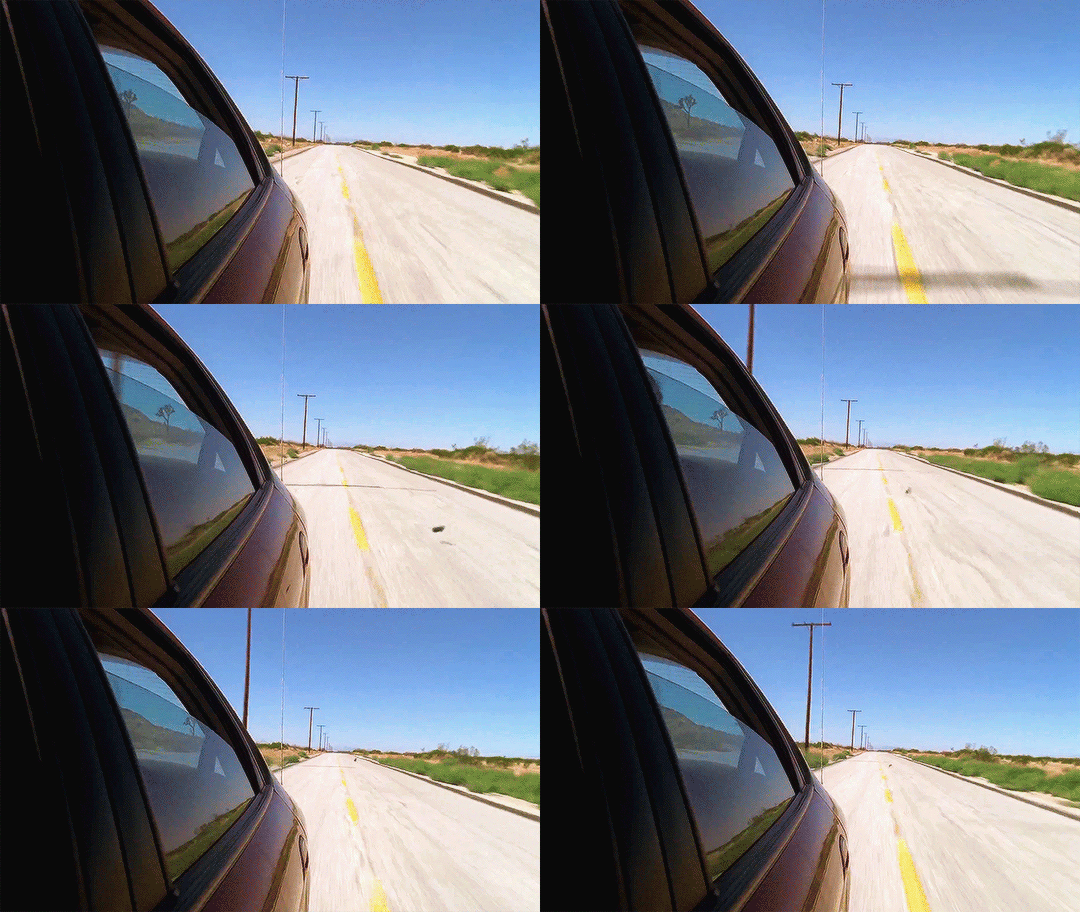
Earlier, Mulder noted that Crump initially started from his home in far eastern Nevada (Montello), heading east to the Utah border. But something in that very short distance told Crump that was the wrong move, so he stole a car and began heading west with his wife, increasing his speed as they drove down the highway. Neither of those actions were a mistake. Crump saw some association between the direction they were heading, the speed at which they were moving, and slight improvement in his wife’s symptoms.
Crump’s own experience in the ambulance confirmed his suspicions. Constant movement improves the intense pain Crump is suffering from. Mulder will quickly come to this realization as well. The first time the car comes to a stop for a light, Crump becomes agitated and his condition deteriorates drastically. Ignoring his own sense of self-preservation, Mulder takes quick action to speed through the intersection, weaving through cars and miraculously managing to not hit anyone or crash the car in a ditch. Impressive driving skills there from Mulder.
And Crump’s condition improves! As the car continues its motion down the highway, he regains consciousness and the pain levels appear to decrease. Mulder has made the connection now, too. Constant motion eases Crump’s symptoms. The roadblock is likely what ultimately killed Vicky, though the police did not cause her condition or intentionally cause her death. Mulder knows there’s another roadblock waiting up ahead in just a couple of miles. As eager as Mulder probably is to get out of that car (with an unstable and possibly contagious man), he doesn’t want Crump to die before he can gain an understanding of what the hell caused his and his wife’s conditions. If Crump can explain what he knows, or at least what he suspects, Mulder might be willing to help and deliberately avoid the roadblock.
At this point we don’t hear whatever explanation Crump offered, but I do assume he provided Mulder with just enough background to convince Mulder to turn off onto a fire road, ensuring there would be enough tree cover that even the police helicopter wouldn’t be able to follow them.
As the duo travels down the dirt forest road, we learn that constant motion isn’t enough to ease the symptoms. The forest road weaves in different directions, I believe at some point beginning to head north. Which causes Crump to again become agitated, his pain levels increasing, until Mulder turns ultimately to the left to follow another dirt road, again swerving just in time to avoid hitting a car heading east on that same road. Crump’s condition improves rapidly as the car turns to head west.
So that’s it. To ease the pain in Crump’s head, the systemic symptoms of this condition, he must remain in constant motion. Heading west.
This is information that Crump already inherently knew, because he experienced the same with his wife. His experience with his wife earlier that morning in fact perfectly explains why Crump panicked upon realizing he had what was really just a minor nosebleed in his jail cell. That’s exactly how his wife’s condition began.
The two of them were hanging out in the kitchen, Vicky cooking breakfast for her husband, when suddenly her nose began bleeding. Ten minutes later, she was stricken with an excruciating headache, its intensity increasing higher and higher until Vicky began screaming in pain. Crump actually did initially attempt to bring his wife to a hospital; this is presumably why they initially began heading east from Montello. I mean, geographically that actually doesn’t make sense, since there’s essentially nothing over the border in Utah (especially no hospital) basically until Salt Lake City, approximately two and a half hours away. (Yes, I did Google this to double check. But I’ve also done the drive along the I-80 from Berkeley, CA to Cheyenne, WY and I remember just how boring the stretch from basically Reno all the way to Salt Lake was.)
Maybe they had to head east for a certain distance from their home in order to reach a highway, and that was enough time for Crump to realize 1) his wife’s condition was worsening 2) they definitely needed to get to a closer hospital and 3) his car was running out of gas, necessitating stealing a car. For the first several miles of their new journey west, I imagine it actually still was Crump’s plan to get his wife to a hospital, perhaps the clinic in Wells or further on to Elko to a major hospital. But he realized that his wife’s condition was already improving the faster they drove along the highway. Stopping for help was only going to make her condition worse.
Crump is very lucky it is Mulder who he has as his hostage. Crump does not endear himself at all to Mulder, but Mulder is just stubborn enough about solving mysterious cases that he lets Crump’s insults slide off down the dark highway. Despite his life literally being in Mulder’s hands, Crump spends a lot of time insulting Mulder’s Jewish heritage, spouting off incredibly anti-Semitic conspiracy theories regarding government power. Insults I am not going to repeat here because YIKES. 😬
As disgusting as Crump’s comments are, this is where Gilligan does an excellent job of crafting Crump’s character. Crump is not a nice guy; he’s certainly not someone who most of us would want to be friends with! And he’s holding Mulder hostage! He’s a very antagonistic protagonist. Nonetheless, I think all of us, like Mulder, end up having some degree of sympathy for the guy. Crump was only trying to save his wife. He hasn’t hurt anyone along the way. No one deserves to die the way he is dying, with excruciating pain and no idea what, truly, caused it. In his own words, Crump doesn’t deserve to have his dignity taken away like this. Despite his flaws, his gruff nature, his unfriendliness, Crump is still just an ordinary guy doing his best to live his life.
Mulder feels this too. He’s going to do his best to make this journey as painless as possible for Crump, hoping and praying that Scully is finding something to explain and hopefully cure this condition back in Nevada. All Mulder can do now is drive.
Unfortunately, no car can drive forever. They’re going to have to stop to get gas at some point. Mulder does his best to make this stop as quick as possible, but that also means he doesn’t really think through the process of getting gas. It cracked me up that Mulder pulled up to the gas pump on the wrong side, though he did problem solve quickly to get a pump to reach to the correct side.
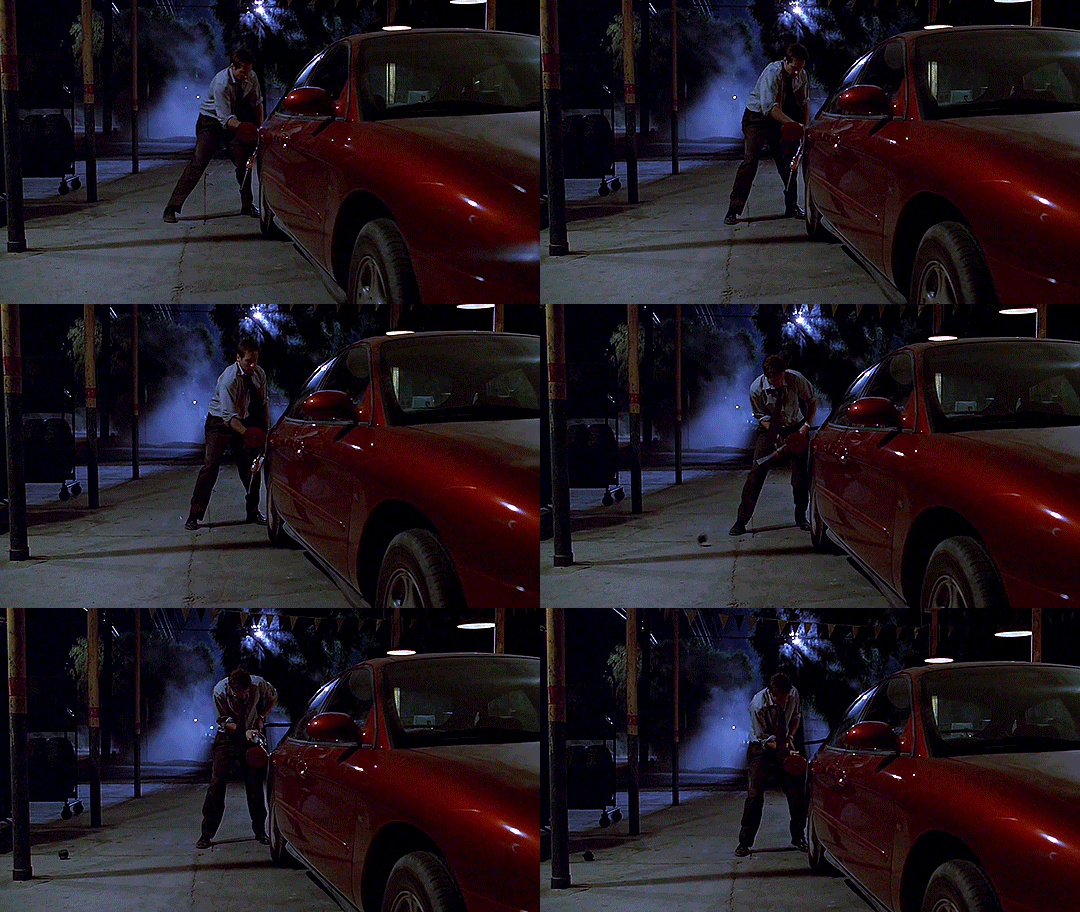
However, he hadn’t thought through the fact that, uh, yeah, they are going to want you to pay before filling up your tank. Here in rural western Nevada, this tiny gas station doesn’t yet have a credit card reader. Mulder would need to run inside, fumble around with his cash, then run back outside and finally fill up the car. Steps that would take up precious time, causing Crump’s agony to build to unbearable levels.
In a split-second decision, Mulder opts instead to take the easy criminal option of stealing the other car at the station, left with a newly full tank while the customer chats it up inside. Mulder and Crump are off in seconds speeding down the highway again, Crump’s condition once again improving notably. Although even his baseline “normal” condition has now deteriorated quite a bit as the day has gone on.
One thing here I do have just a slight question about is the note to Scully that Mulder left in the back of his car at the gas station. At what point did Mulder write that note? Did he write it somehow while still driving down the highway, expecting the possibility that they might need to abandon that car and find another? Or did he pause for 30 seconds to hastily write out the note? Time during which he could’ve then just paid for the damn gas if they were going to pause for that long. I of course understand the note is really just a plot device in order to pass Mulder’s knowledge onto Scully back in Montello, but. I’m confused about when Mulder found the time, space, and hand coordination to write that note.
Determining a (Possible) Crime Scene
Back with Scully now!
Earlier in the episode, authorities discovered a second victim just outside Crump’s town of Montello. A man who appeared to suffer from the same condition as Vicky, his head exploding with some sort of aneurysm. A second victim raises the stakes, suggesting there might indeed be a pathogen or something environmental at play here. There’s a pattern emerging, and they need to act quickly before more people die.
Samples are taken from both Vicky and the second victim. The CDC pathologist (who arrived remarkably quickly) doesn’t find any signs of infection in the samples, though Scully knows they still can’t rule out a pathogen as the cause. Scully has experience with this. Unknown pathogens cooked up in a lab that turn out to be highly lethal. Something killed these people.
What connects the victims? Well, Vicky lived in Montello and the other victim died just outside the town. That points the finger at the cause probably being something in or around Montello, but that’s still a fairly vast area of desert to search. Thankfully, before they are forced to start a large grid search, Scully realizes there might be a much closer connection between the victims, leading them to one obvious area to begin their investigation. The second victim worked for the power company reading meters. He could’ve read the meter on the Crump’s home.
So that is where the investigation will begin. Only now finally decked out in full biohazard protection suits, Scully and a team of scientists and (presumably) agents from the Las Vegas field office make their way to the Crump’s neighborhood.
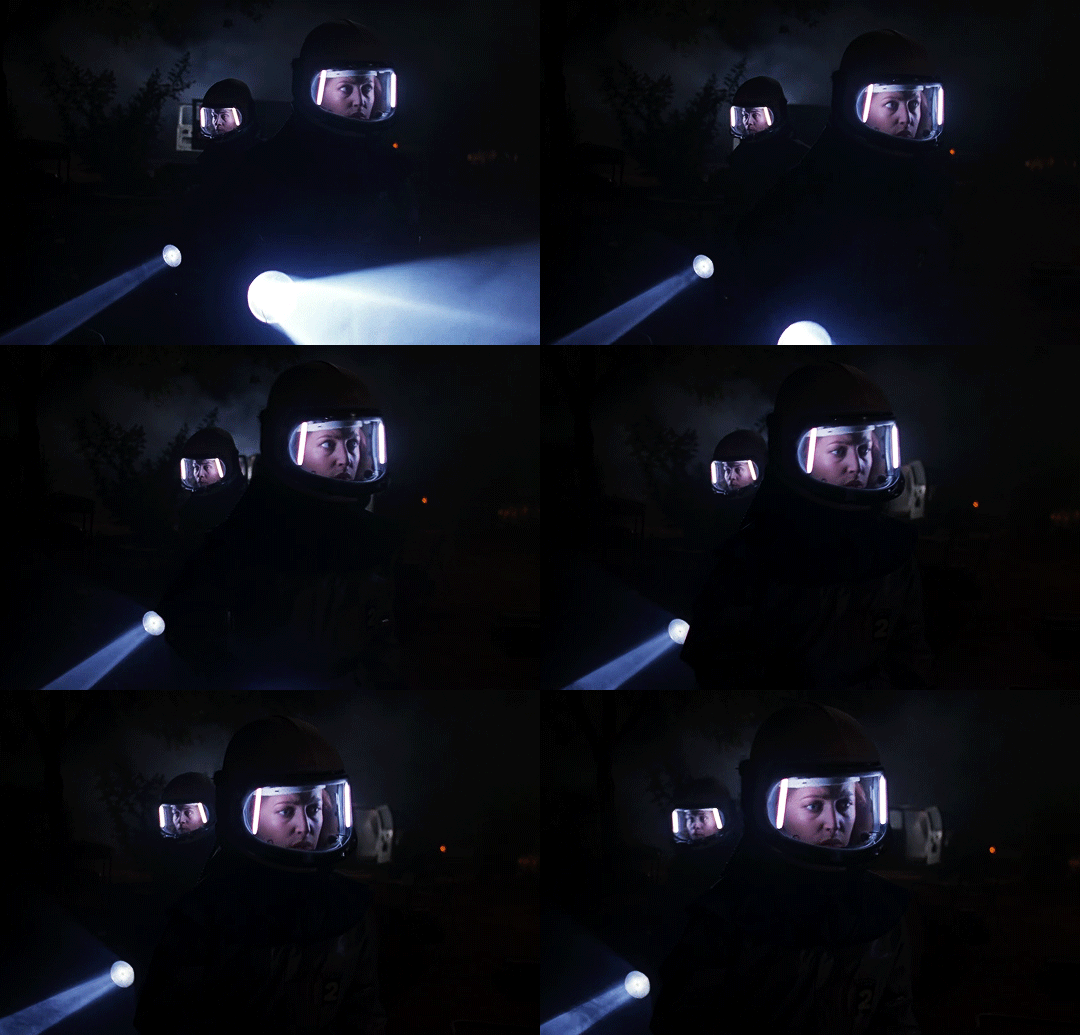
The team is immediately confronted by yet another victim. This time a dog running around in circles, barking loudly and clearly agitated. Several agents attempt to get a blood sample from the dog, but the poor pup experiences the same death as Vicky. Whatever causes this condition, it doesn’t discriminate between man and animal. This presents the possibility certainly of something zoonotic that passes easily between species, but a thorough search of the Crump residence doesn’t reveal any obvious disease vectors. The team is still at a loss to explain what is causing this behavior and immense trauma to the inner ear.
Next step is to investigate if there are any other victims in the area, anything else close by that could be a possible cause. Scully enters a neighboring mobile home with the CDC pathologist, finding it dark, quiet, and apparently empty. Well, empty or possibly containing yet another victim. The latter possibility seems more likely when they find two dead birds in a birdcage inside the home. ☹ Scully walks cautiously through the home, shining her flashlight. It lands ultimately on the back of an elderly woman’s head. Scully prepares herself for the worst, but just as she moves to examine the possible dead body, the woman turns around, terrified at finding a stranger in her house. A stranger who looks like an astronaut with the full biohazard suit Scully is wearing.
I’m honestly surprised the poor old woman calmed down as fast as she did. Yes, Scully does gently reassure the woman that it’s okay, but I’m not certain the neighbor understands what Scully is saying. Scully realizes the woman is likely deaf, basing this off of the fact that the woman is watching TV with captions on (although honestly, I always do that as well) and the fact that she did not react to the sound of multiple people entering her house, calling out, and wandering around examining it.
Could this elderly deaf woman be the key to identifying the causal agent of this disease? Something in this general area has killed two people, a dog, and two birds inside the woman’s home. What would kill so indiscriminately, and yet leave a deaf woman unscathed?
A Theory Emerges
Scully certainly thinks the deaf woman is the key. I will say here that as we get into the explanation behind the disease, I have my doubts on why the woman would be unaffected, but let’s just take the deafness as a very important clue for now. All of the people/animals affected so far did have the ability to hear. That’s the one thing separating the dead from the one living person in the area. As strange as it sounds, could some unique sound in the area be the cause of all these deaths?
Scully zeroes in on this theory, going so far as to remove her biohazard suit, much to the dismay of the CDC scientist next to her. Whom I agree with. Scully. Even if you feel fairly confident by now that there’s no dangerous pathogen in the environment around you, if you do think there’s a sound behind this condition, why are you now searching out that sound?!?! Does Scully want to suffer the same painful death????
Initially, the only sound Scully hears is the sound of her cell phone ringing, muted inside of her biohazard suit. The Elko police captain passes on the information about Mulder stealing a car, as well as Mulder’s own understanding of Crump’s condition. Scully listens to all of this as she walks around the property, noticing as she does so that the signal between the cell phones is growing more staticky as she ventures deeper into the woods. The phone call ultimately drops just as Scully comes to a pile of dead crows surrounding a high voltage meter. Property of the US Government.
Might Crump have been right, in fact, that there are strange government people running around his woods at night, subjecting him unwillingly to experiments? 😱
Scully’s next step is to investigate which government agency owns that electrical equipment. There are high voltage meters and various power lines everywhere, many of them running through rural areas for perfectly normal reasons. But given the deaths of everyone (except one deaf woman) in the area, Scully needs to know what that electrical equipment specifically is used for.
This line of inquiry leads Scully to a small Navy station in Wendover, Nevada, about an hour south of Montello. Which at first surprised me, but there in fact is a naval air station in Nevada, and given the work this (fictional) naval station does, it makes sense why they are in Nevada. Here was another small moment of amusement for me, this Navy lieutenant providing information to Scully without even asking who Scully is. Scully, in fact, makes an effort to be a little bit deceitful here, offering up her name simply as “Dana Scully” rather than Agent Scully. The lieutenant assumes Scully is working for the FCC, given that she is asking about the electrical equipment. I’ll grant that at least the lieutenant doesn’t provide any classified information, but still. Zero verification of Scully’s identity or why she is asking these questions? Our military hard at work protecting the country! 🙃
The lieutenant explains that the Navy maintains a ground conduction radio system in the area around Montello. The electrical equipment experienced a brief power surge earlier that morning. So far, the only known effect of this was the disruption of television signals in areas of Idaho, Nevada, Utah, and Wyoming. The Navy has taken steps to ensure such power surges won’t happen again. Everything is fine, please don’t investigate what this ground conduction radio system is for! 🙂
This information confirms Scully’s suspicion that the electrical equipment, a certain frequency of sound, might have caused the indiscriminate deaths in Montello. She’s still going to take advantage of the lieutenant’s easy nature to try to dig a little deeper, though. What exactly is that ground conduction radio system used for?
In yet another minorly amusing moment, Scully asks if the lieutenant is talking about “Project Seafarer”, to which he responds “what we do here is classified, ma’am”.
Yes, classified in that you have a giant mural of Project Seafarer on the wall of your station for anyone who walks in to see. Hmm, what is this station used for? Such a mystery!!! 😂
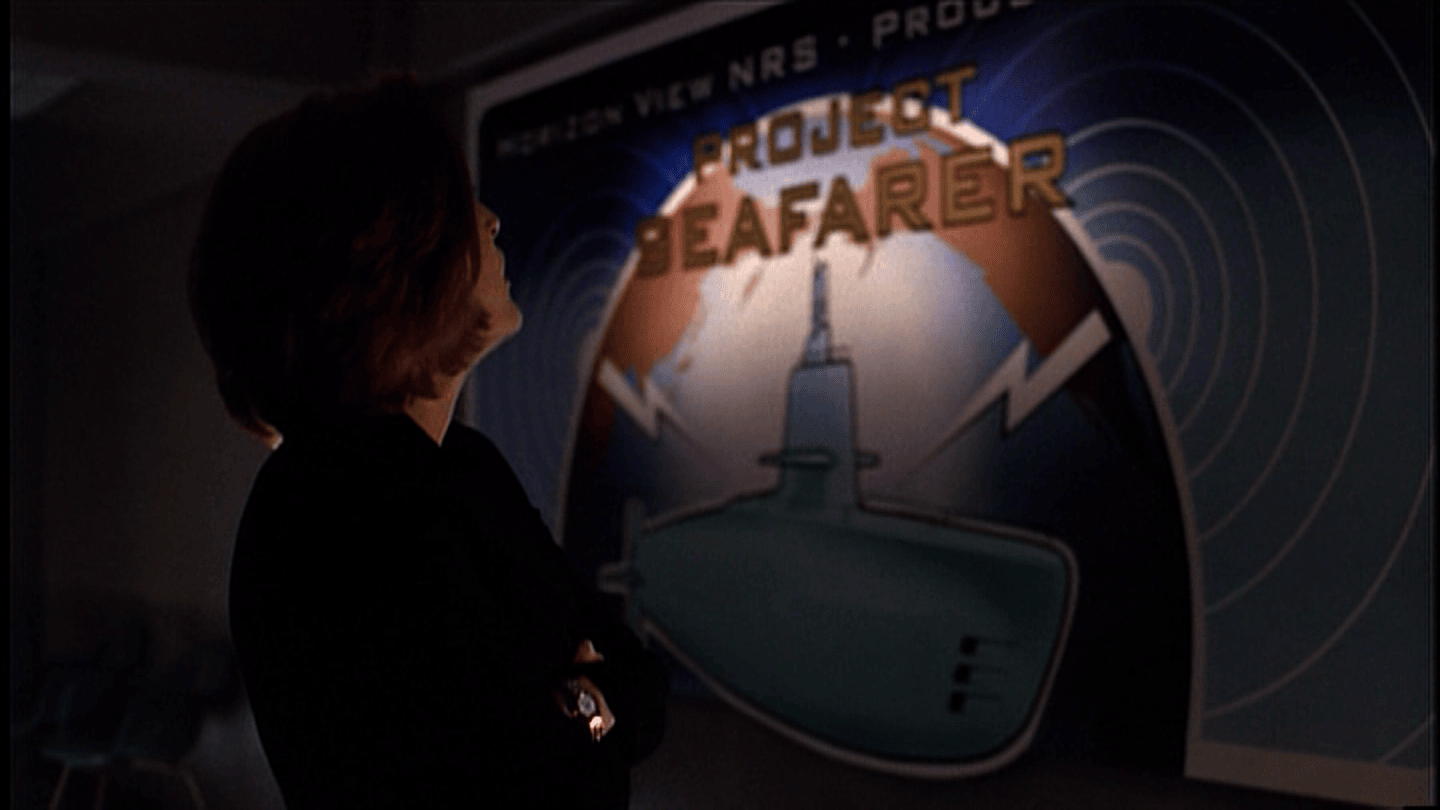
Scully continues to push, asking whether the lieutenant knows whether a power surge in this “theoretical” system might have effects on human or animal physiology. The lieutenant technically refuses to answer this question as well, noting that such information is also classified. In saying this, I feel the lieutenant essentially confirmed, yes, there’s a possibility of these electrical surges affecting people. If there was no known research into that, I think the lieutenant would’ve just said no, there isn’t.
And Scully clearly agrees with me! Especially as she has had enough experience over the past five years with secret military projects. Experimenting and utilizing possibly dangerous systems without any regard as to how human life might suffer to further military technological advancement. Being the daughter of a former Navy officer herself, Scully definitely has a much better understanding of what Project Seafarer does. Enough to theorize further how a surge in that system could cause intense physiological reactions and death.
ELF Waves
As noted at the top, I am not going to provide an in-depth explanation of what ELF waves are. I will recap the explanations Mulder and Scully provide as well as some of the real history “Project Seafarer” is modelled off of, but not much beyond that. I do not have the energy this week to do such a deep dive. Nor do I want alternative medicine/pseudoscience searches in my web history at the moment.
ELF waves are extremely low frequency transmissions. A type of electromagnetic radiation with extremely long wavelengths, ranging from 10,000 to 100,000 km. Because of those long wavelengths, these radio waves can travel deep into the ground and through seawater before losing strength. This type of radio system has thus been used to communicate with submarines while they are still submerged, removing the need for the subs to break the surface, revealing their location to an enemy. Project Seafarer is based off of Project HAARP and Project ELF, the latter of which did involve building massive antennae in Wisconsin and Michigan as well as thousands of miles of cables to transmit signals to submarines below the ocean surface.
As is pretty much always the case whenever “radiation” is mentioned, conspiracy theories regarding the possible effects of radio waves with long wavelengths sprouted up quickly. Similar to the fears that immediately popped up when 5G cell tower technology was introduced. People claim that living near areas with such transmission towers cause a multitude of physical symptoms. I’m not going to bother repeating such conspiracy theories, but they are out there. It was absolutely fair game for Gilligan to play off of such pseudoscience for this episode.
I am a bit surprised that it was Scully who suggested the possibility of ELF waves causing such an intense physical reaction. I will grant her a bit more leeway considering her undergrad degree was in physics, so she definitely understands all this electromagnetic radiation stuff better than I do. I still would’ve expected Scully to provide the general information on the ELF transmitter near Crump’s home, and then have Mulder be the one suggesting it could have caused all of the deaths. But I guess Mulder really has had a good (?) influence on Scully. She’s not so quick anymore to disregard what sounds like pseudoscience. There’s no rational explanation why a specific frequency would resonate with the human skull, causing pressure to build up inside the auditory canal. But Scully nonetheless is the one with that theory.
Mulder does pipe in with the suggestion that continuous movement might alleviate the pressure, though neither of them understand why westward movement is required in this case. Maybe something to do with a magnetic force on Earth, Scully suggests? Clearly neither of them have fully thought through the science behind this. But Scully does definitely think she has identified the cause of the mass death in Montello. And if the deaths are caused by massive pressure building up in the skull, then there might be a way to cure Crump.
How does this connect to the fact that the elderly deaf woman was unaffected by the ELF radio waves. This would depend on the actual cause of the woman’s deafness and the extent to which her cochlear hair cells and cochlear nerve still received and sent signals. And depend on the actual proposed mechanism explaining how an ELF wave would resonate with the skull and send some sort of signal causing a pressure build up. It’s not impossible that whatever structures were involved were already damaged in the elderly woman, explaining why she was unaffected. But this is one of the areas where our explanation for the episode is a bit wishy-washy. Theoretically, whether she could hear them or not, the ELF waves still would’ve passed through the woman’s ear. I guess it just might be necessary that a signal is actually passed, or the waves damage some inner ear structure, for the condition to manifest.
Another natural question is why apparently only one of the two ears is affected by this condition. And also why it doesn’t seem to be the same one. If I’m interpreting my directions correctly, it looked to be the right ear for Vicky but the left ear for Crump. Why would pressure build up in only a single ear? Why would it be different in different individuals???? 🤔🤔🤔
A Proposed Cure
Scully’s proposed cure is quite simple. And she really is just hoping it will work. The plan is for her to take a (very expensive) Justice Department jet so she can be ready to meet Mulder and Crump when the road ends at the Pacific in California. She will be waiting there with a medical team and a huge needle. 😱
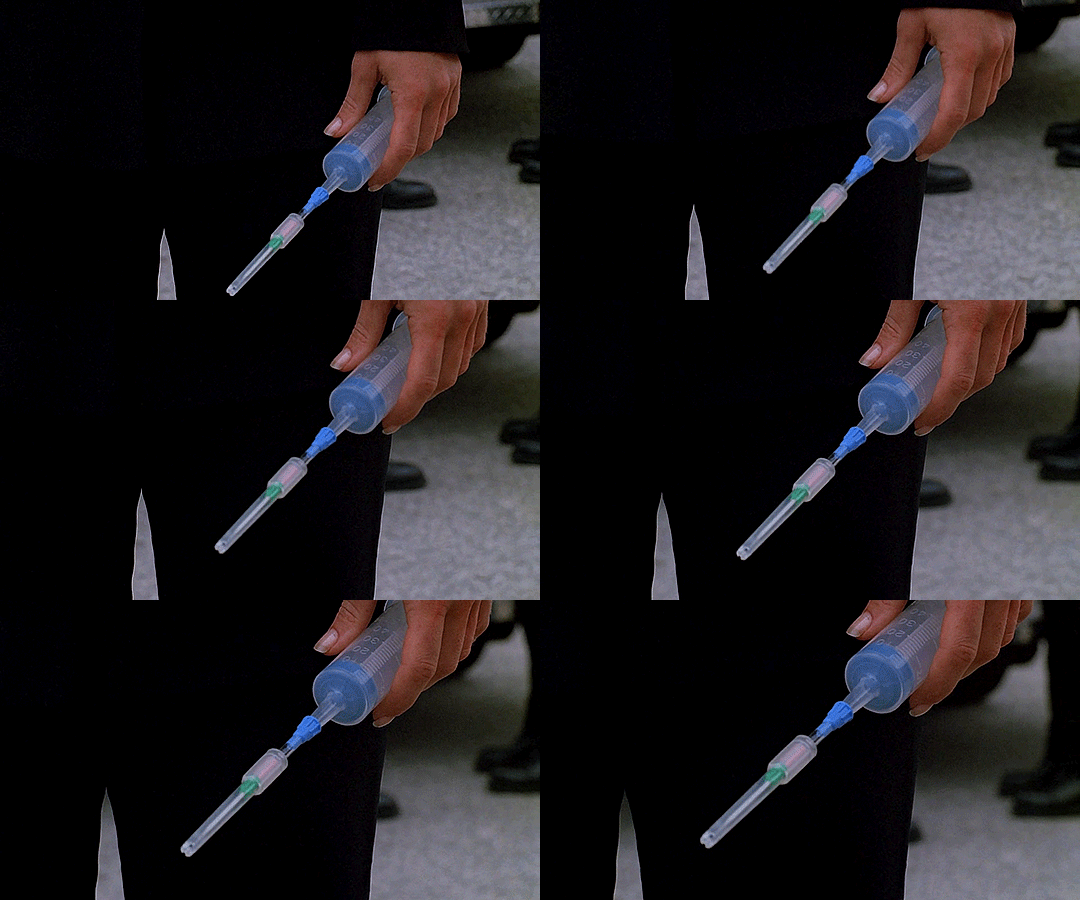
A giant needle she plans to stick into Crump’s inner ear. Meaning this is going to poke through Crump’s eardrum ultimately hopefully relieving pressure building in the cochlea, inside Crump’s temporal bone. Scully will not have time to administer an anesthetic before performing this procedure. I have thankfully never punctured or burst an eardrum, but I have heard that is extremely painful. Having a middle ear infection is already painful from my experience! I cannot imagine the immense pain of poking a huge needle all the way through the ear. That cure sounds extremely unpleasant. Not to mention that the cure will probably leave Crump deaf. At least in the single ear that appears to be affected.
But can it really be more unpleasant than the pain Crump has already endured? Might a few additional seconds of intense pain (and permanent deafness) be worth it if it means Crump will live? He will be alive and have the opportunity to “stick it to the government”. Prove at least one of his conspiracy theories correct. Tell the world about what the military did to him. Put Mulder’s solid advice into action.
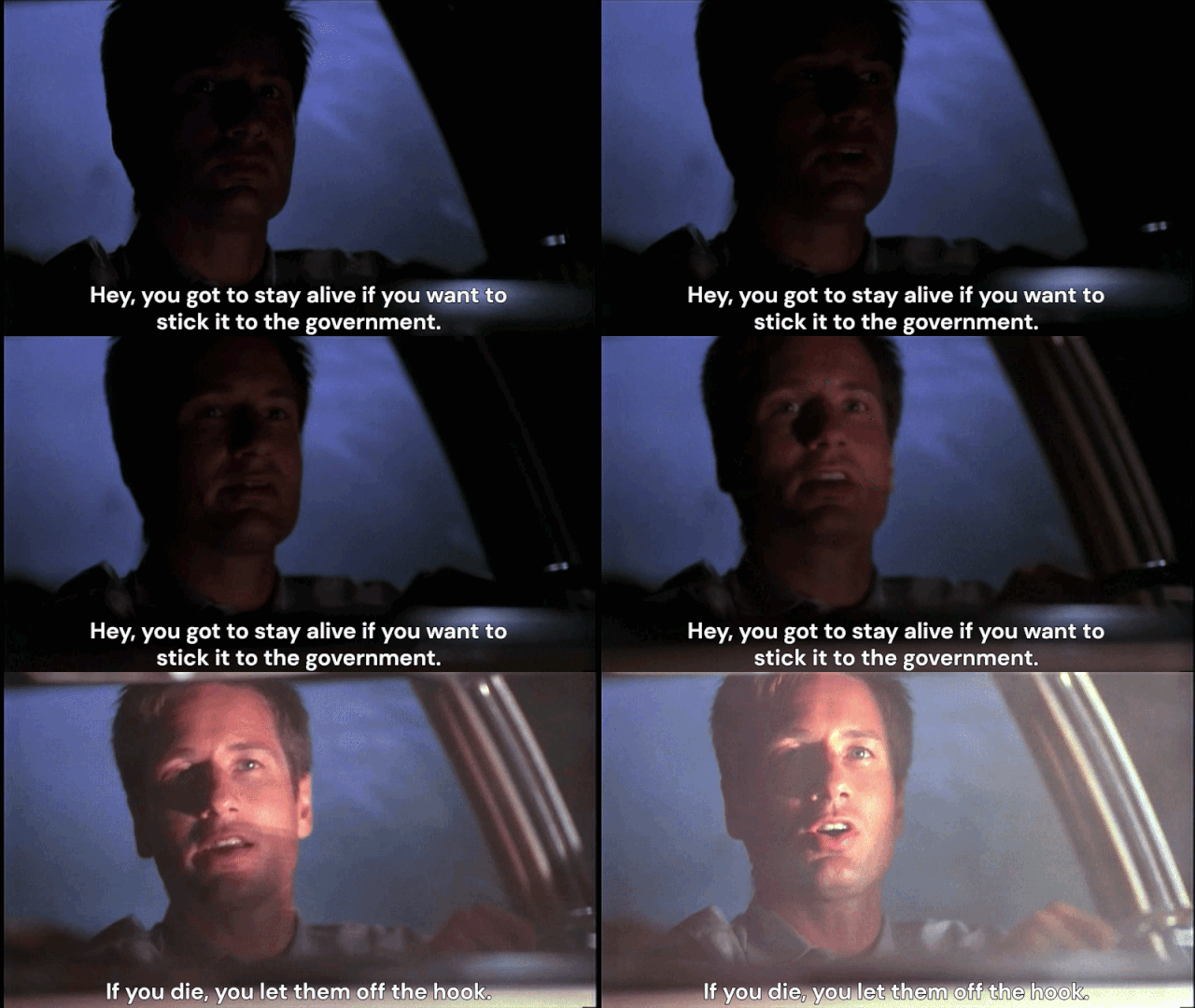
Unfortunately, we don’t know whether Scully’s proposed cure would have worked. By the time Mulder finally makes it to the end of the road, the pressure had already built up too high in Crump’s skull. Mulder did his best to continue to increase his speed, but there was a limit to how fast he could drive. Crump won’t get that opportunity to fight the government. It’s only Mulder and Scully’s story to tell now.

Mulder needs a moment alone to stare moodily off at the ocean, grieving yet another unnecessary death due to military experimentation without proper consideration for human (or animal!) welfare.

A Reprimand from Kersh
The episode ends with a harsh reprimand from their new boss. Kersh had actually caught on quite quickly to the fact that Mulder and Scully had left their assignment in Idaho, but he was willing to let them continue on with the investigation. He even offered up assistance from Las Vegas field office agents! It probably would’ve been too difficult to pull them off of an active case…especially when at the time no one had any idea where Mulder was.
But Kersh is not happy with his new agents. They incurred quite the extensive list of expenses on this side mission. To Mulder and Scully, the case investigation was a success, even though Crump couldn’t be saved. Scully notes that the DoD is shutting down the antenna array around Crump’s home; their work on this case saved a lot of future lives! Of course, the DoD claims their decision was a coincidence, not at all related to the spree of deaths in the array. They claim no culpability for what transpired. Our agents are going to have a hard time proving that their work played a role in the DoD’s decision.
Mulder and Scully absolutely should be proud of themselves. Scully has nothing to apologize for. She’ll happily reimburse the FBI the $4500 their investigation cost. However, our agents are back on very thin ice with their jobs. Unlike Skinner, Kersh doesn’t care about what lives might have been saved. His agents need to follow the rules, get back to their stupid domestic terrorism cases, and stay far, far away from anything at all resembling an X-file.
Our “Completely Platonic Coworkers”
I don’t have any specific moments for this episode; our agents were separated for the vast majority of it. I would argue that the fact that Scully stood up so firmly for Mulder throughout the case points to how close our agents have become. She didn’t back down in the face of a harsh reprimand from her new boss. Scully trusted Mulder at his word, knowing that if he avoided the initial roadblock, he must’ve had a good reason for doing so. And of course there’s the very fact that Scully agreed to follow Mulder at all, leaving their assigned case. She’s definitely not going to let him wander off on his own down to Nevada. Nor is she going to investigate that stupid fertilizer on her own. This job is only fun with her boyfriend best friend by her side.
The 90s™
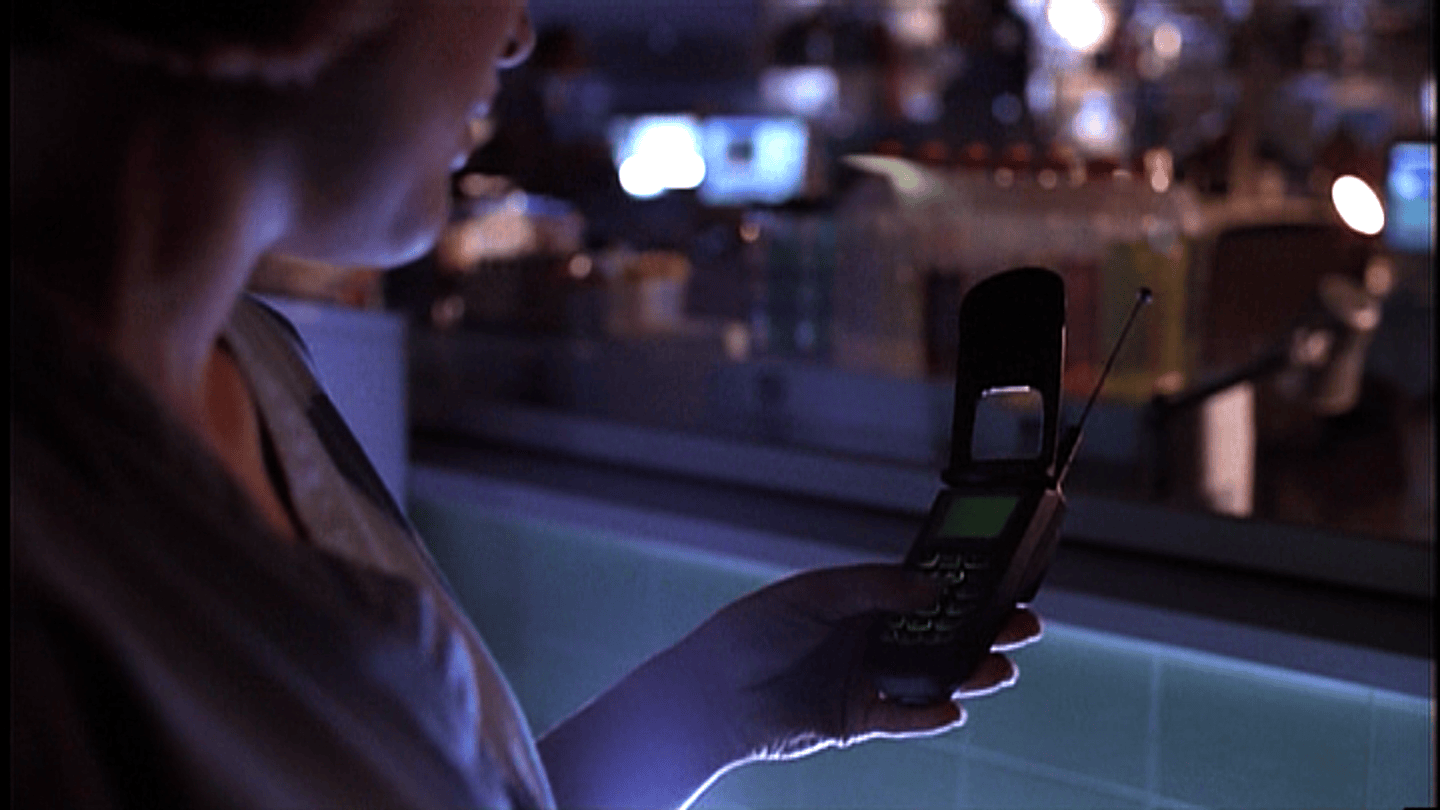
Check out the fancy flip phone upgrade Scully got!
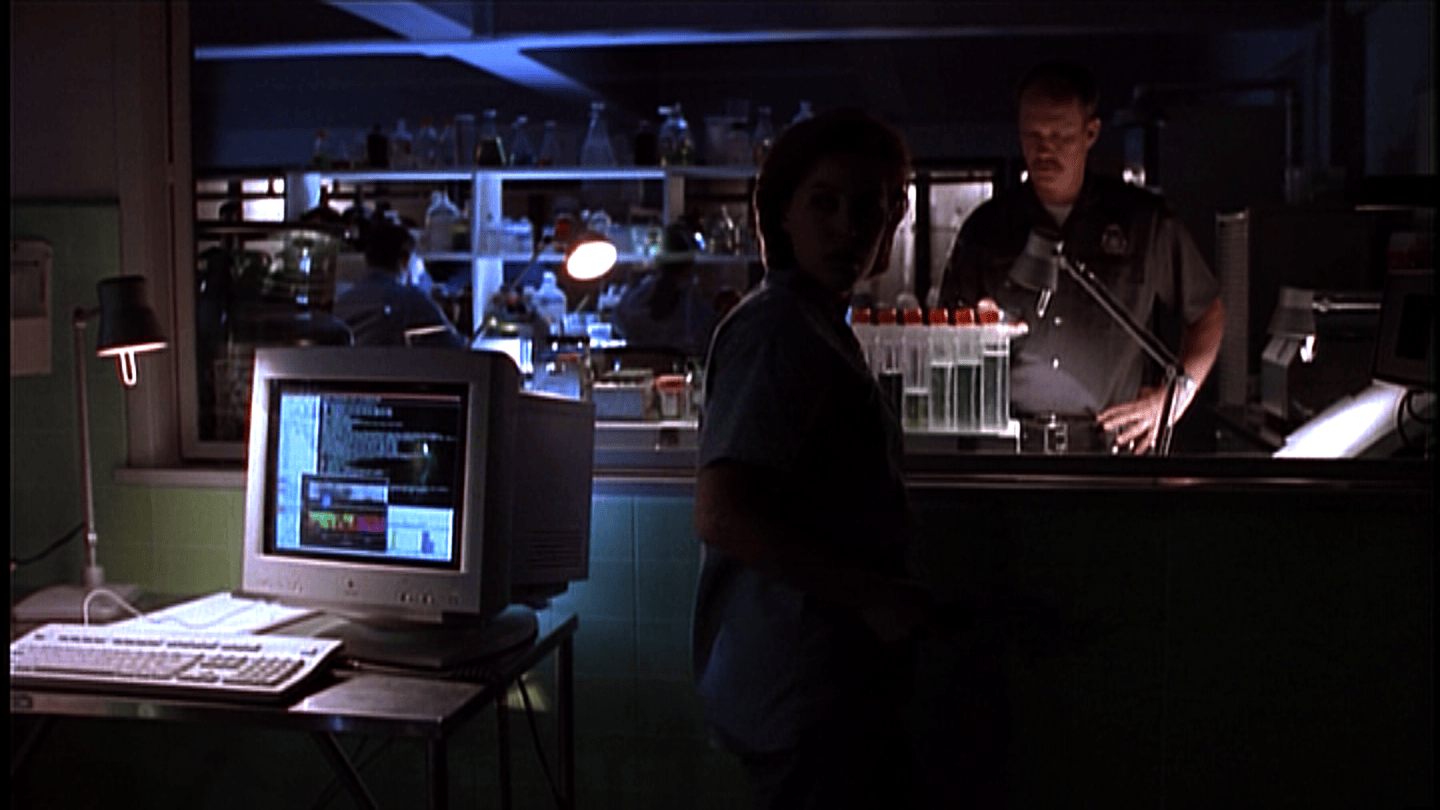
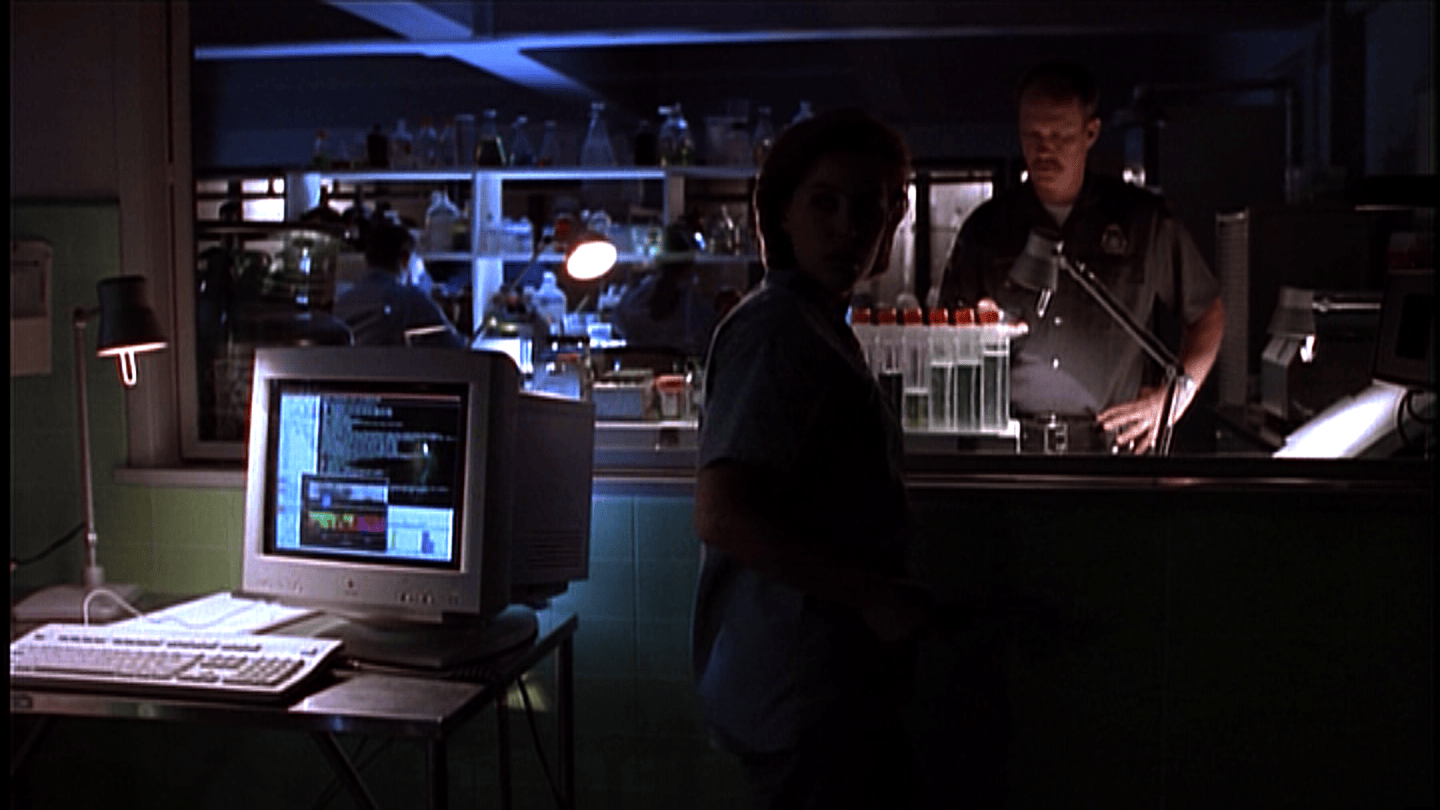
But still this clunky desktop computer with very 1990s software. Although I shouldn’t judge; I had to use one specific very old laptop for some of my histology analysis in grad school because the program we used would only run on Windows XP 🤣🤣🤣
This old television that farmer still has. This is more of a late 80s/early 1990s TV, but the farmer probably feels he doesn’t need a new fancy TV.
(credit)
The X-Files is a Comedy
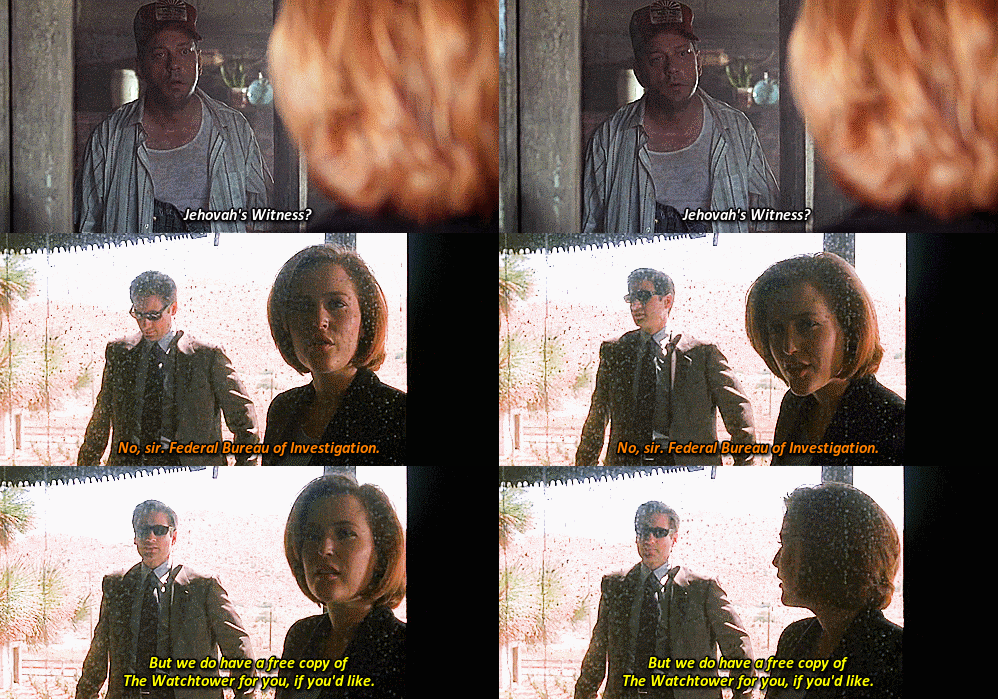
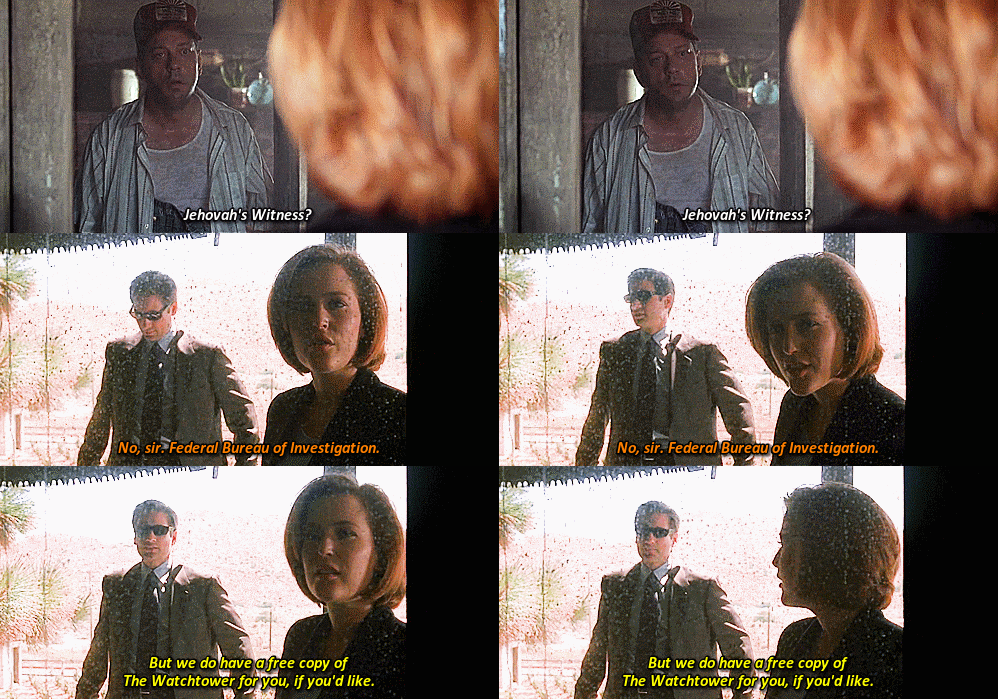
Second time in recent history that someone thought Mulder and Scully were door to door salesmen or evangelists of some sort. 🤣
(credit) Arguing about turning to just drive straight into the forest to alleviate Crump’s symptoms.

At least Mulder can still joke about all that anti-Semitism, I guess. 😐



Goofs/Bloopers/Fun Facts
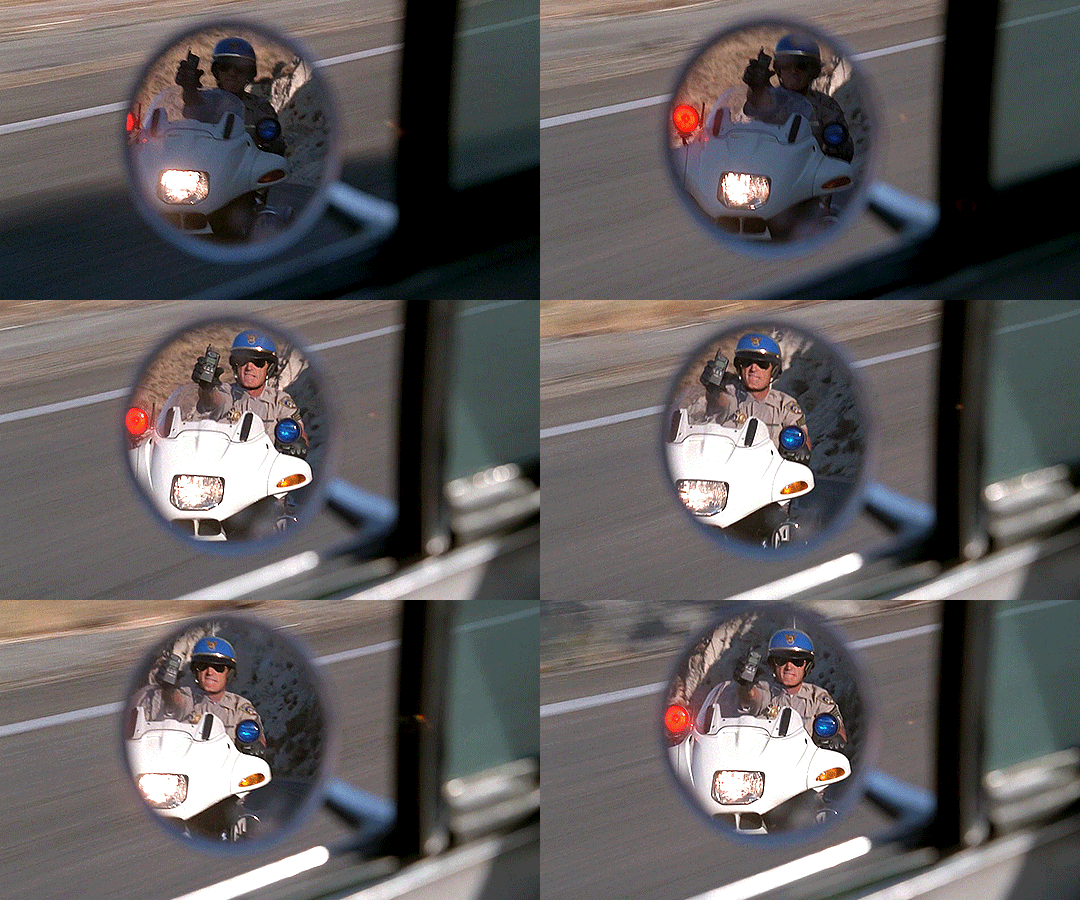
I actually first want to address something that might seem like a goof. If Crump tossed Mulder’s cell phone out the car toward the very beginning of their speedy road trip adventure, how did Scully manage to talk to him the next day to share her theory and potential cure? Aha! Not a plot hole, she called one of the California Highway Patrol officers and had them pass the cell phone to Mulder.
Other goofs:
Both agents keep referring to their fertilizer investigations as “investigating big piles of manure”. The entire point of these fertilizer checks is because the fertilizer isn’t just piles of cow shit. It’s powerful chemicals that can be used to create bombs! It has a distinctive chemical smell! Not 💩!
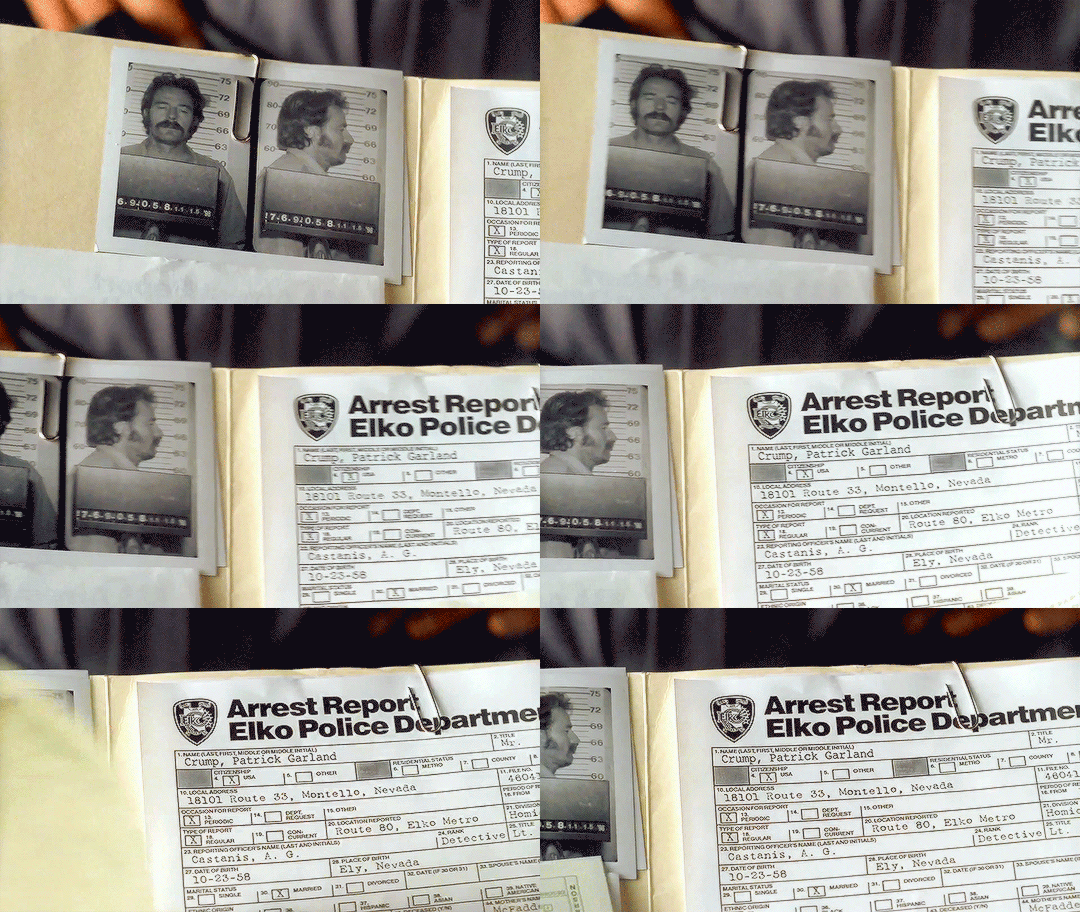
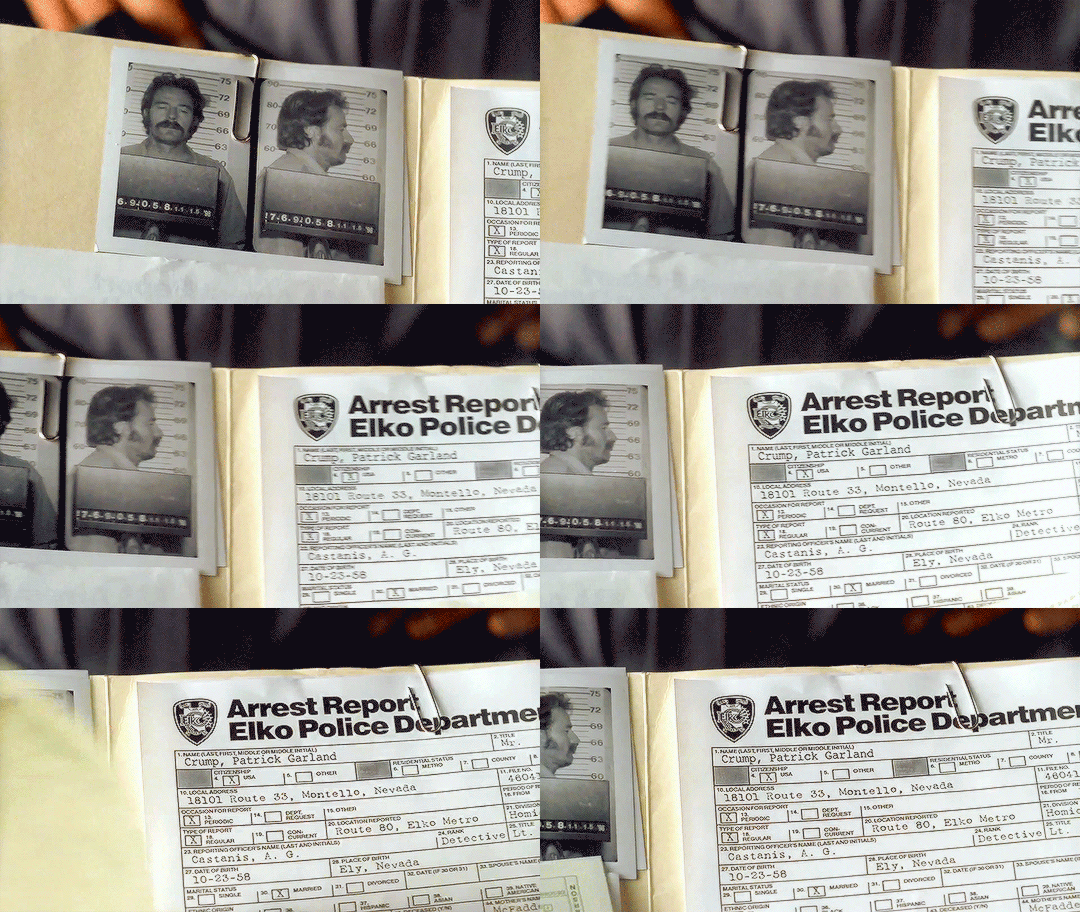
While I understand the production choice to not create multiple pages of an arrest report, they probably shouldn’t make that obvious by having Scully flip the page and have the one behind be an exact copy…
(credit) I’ll grant that we aren’t given a specific location where Mulder stole the car after failing to fill his gas tank, but I do have my doubts that the car could’ve made it all the way across California on a single tank of gas. We also aren’t told that they don’t make another stop, but that’s a minor plot hole as well.
Some fun facts:
Gilligan admitted that the episode was partially an homage to the movie Speed
Mulder in fact notes “I think I’ve seen this movie” when he realizes that Crump has to keep moving or he’ll die.
Patrick Crump is played by Bryan Cranston
Cranston would later go on to play the leading role in Gilligan’s Breaking Bad
His work on this episode played a major part in AMC executives agreeing to Cranston’s casting. Cranston’s most recent work had been in the comedy show Malcolm in the Middle, but when Gilligan showed the execs this episode, they were convinced he had the range to play the role of Walter White.
The farmer at the beginning (Virgil Nokes) was played by country musician Junior Brown, at Gilligan’s request. The musician was flown to set at Gilligan’s expense.
Cranston actually threw a real cell phone (not a prop phone!) out the window of the car. 😱
Overall Thoughts/Summary
Episode rating: 8.5/10. I’m wavering a little bit on this one, mostly because overall I enjoy this episode much more than “Post-Modern Prometheus” of last season, so it feels weird to rate them as exactly the same? But at the same time, the holes in the “scientific” explanation for the ELF waves causing pressure build up feels just a bit too mushy for me to rate this as truly an “A” episode. Honestly, if they had even tried to come up with an explanation for why only one ear appears affected, that might’ve been enough for me to increase my rating and just accept the pseudoscience of the ELF waves’ effects. I do think it’s the single ear being affected (and a different one for different people!) that annoys me the most as far as plot holes go.
Other than that, this really is a great episode. Cranston does an excellent job portraying Crump as a character you hate and yet also feel sorry for; Gilligan’s writing and character understanding of course also helps with this. Duchovny and Cranston play off of each other very well during their scenes. I really enjoyed the fact that our agents stayed connected to each other even when they were completely separated. Scully trusted Mulder at his word regarding the “must keep moving” note. Mulder trusted that Scully would figure out the cause of Crump’s condition back in Nevada. This episode really felt like proof that the FBI can try all they want to separate our agents. But they are just too connected at this point. Their minds are melded. Even when they disagree, they work together. And do excellent work!
X-Files cases “solved” to date: While I am sure this does not count as a solved case given that Kersh says the DoD claims no responsibility or connection to their decision to close the ELF array, I am giving it to our agents. Successfully solved the case, even if they weren’t able to save any of the victims.
1/2 cases for the season, 77/107 cases solved overall.
We’ll continue on with another good “monster-of-the-week” episode next week in “Triangle”. Or at least I definitely hope it holds up to my memory of the episode being a fun historical episode.